
Occam Brick Slip

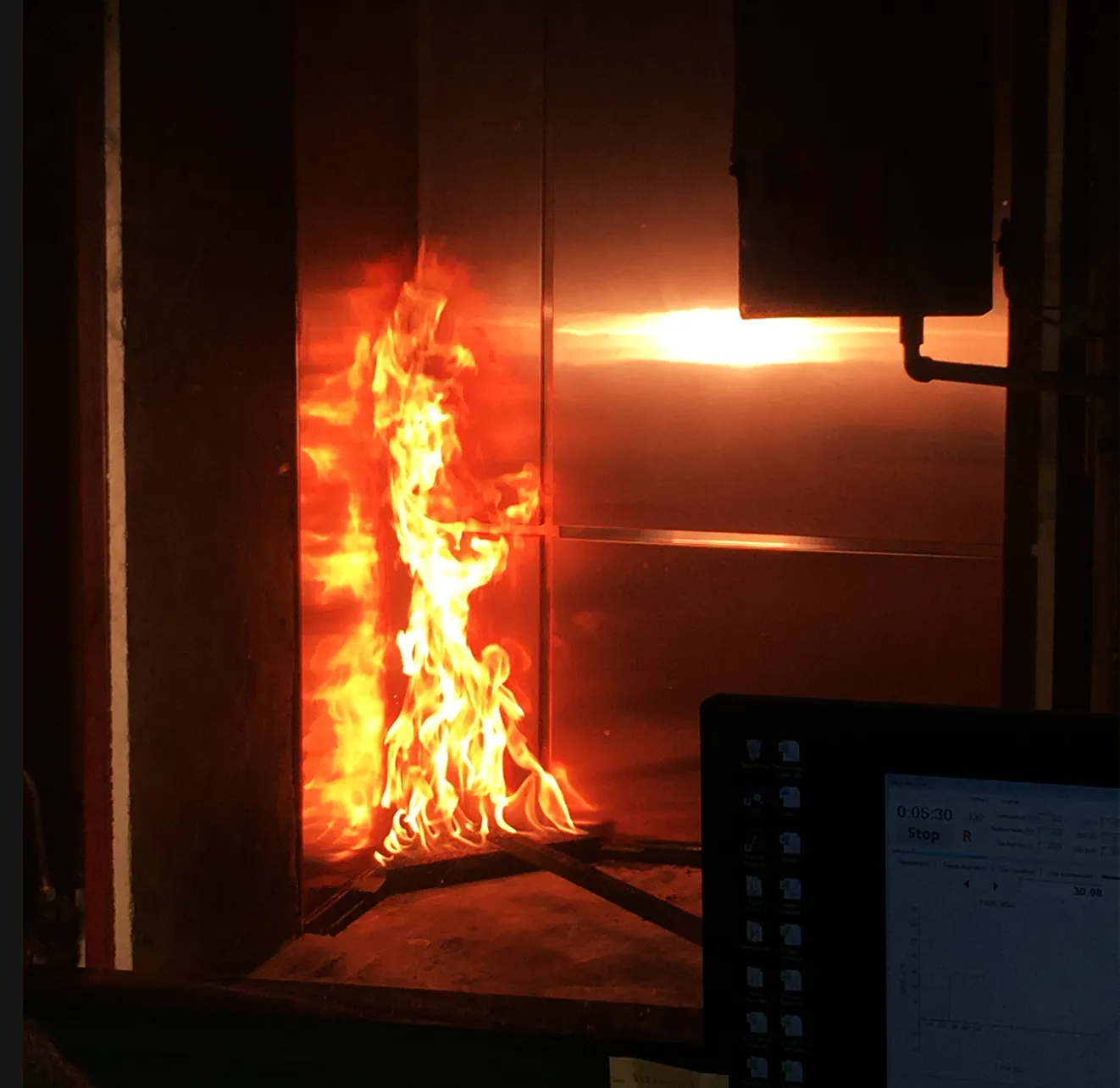
Occam Brick Slip is Combines design flexibility with A1-classified fire performance.
Occam Clay Tile

The Occam Brick Tile cladding system exceeds traditional limitations, offering refined design flexibility.
Proteus HR
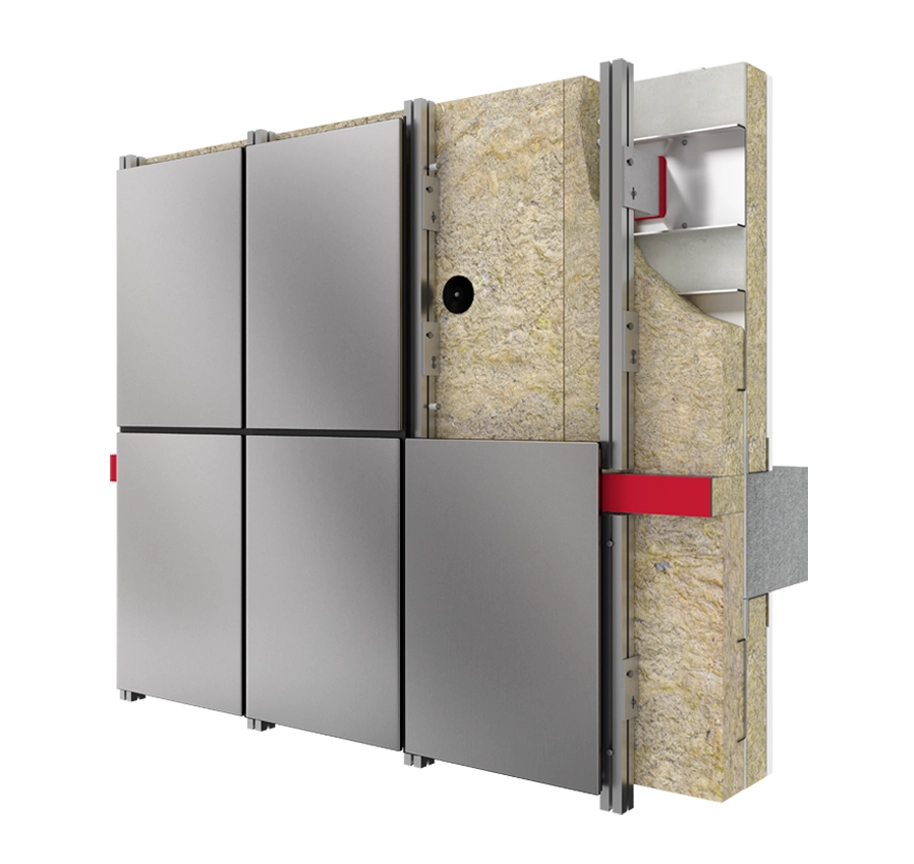
Proteus HR is a honeycomb rainscreen cladding system combining design flexibility with exceptional performance.
Proteus SR Secret Fix
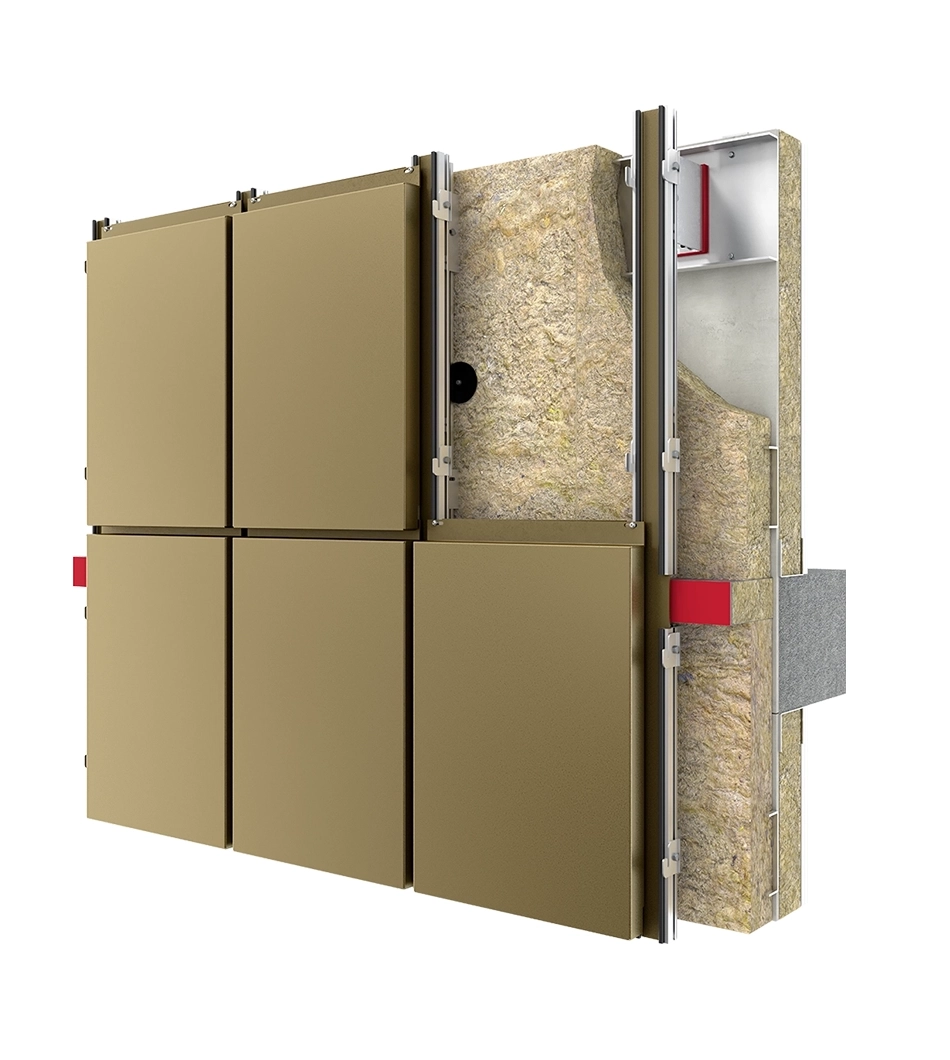
Proteus SR is a secret fix rainscreen cladding system that delivers sleek aesthetics and outstanding performance.
Proteus SR Flat Plate

The Proteus SR Flat Plate system provides a cost-effective yet stylish solution.
Proteus SR Tray Panel
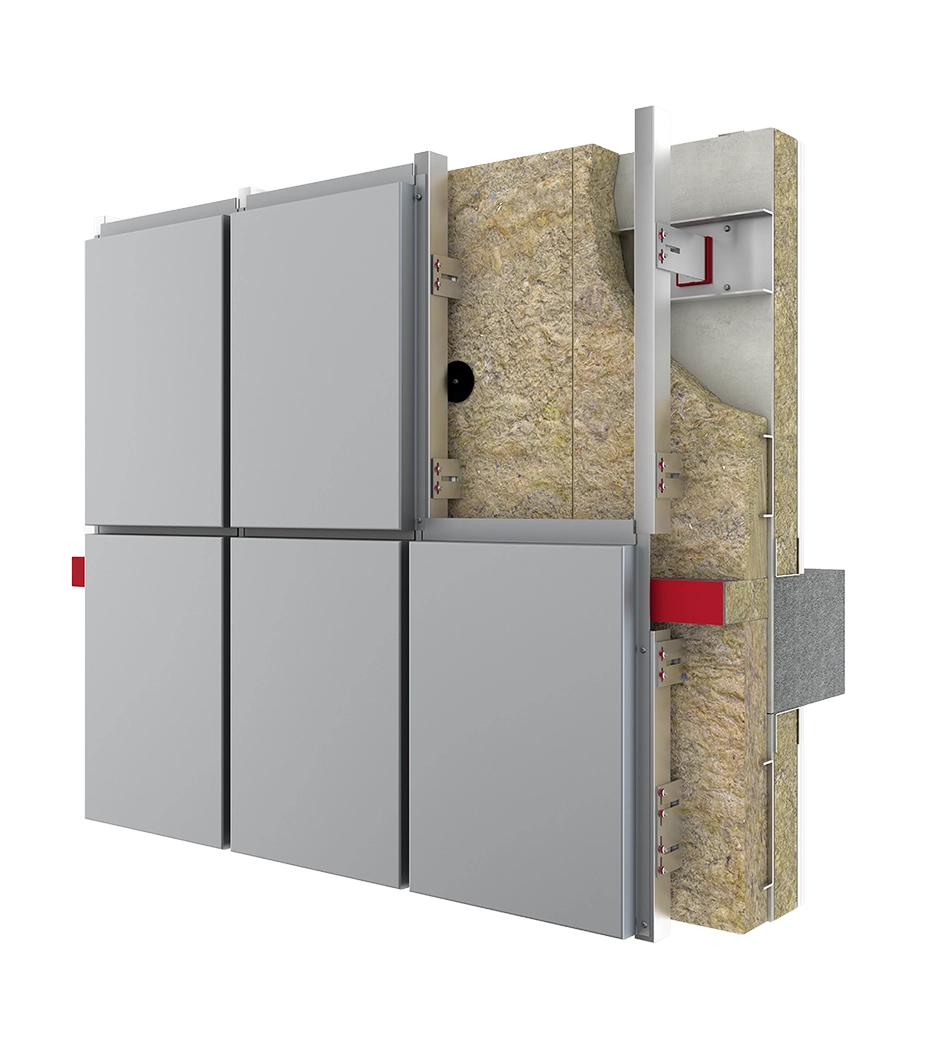
Proteus SR Tray Panel offers a stylish and high-quality cladding solution with exceptional flexibility.
Proteus SP

Proteus SP enhances window and curtain wall façades, offering versatility and performance for any project.
Proteus SC Tray Cladding

Proteus SC Tray is a bespoke single skin cladding solution designed to meet your architectural requirements.
Proteus SC Mesh

Proteus SC Mesh provides a versatile and functional cladding solution, perfect for a range of architectural projects.
Proteus SC Hook
Proteus SC Hook is a personalised solution designed to elevate the aesthetic and practical quality of any building.
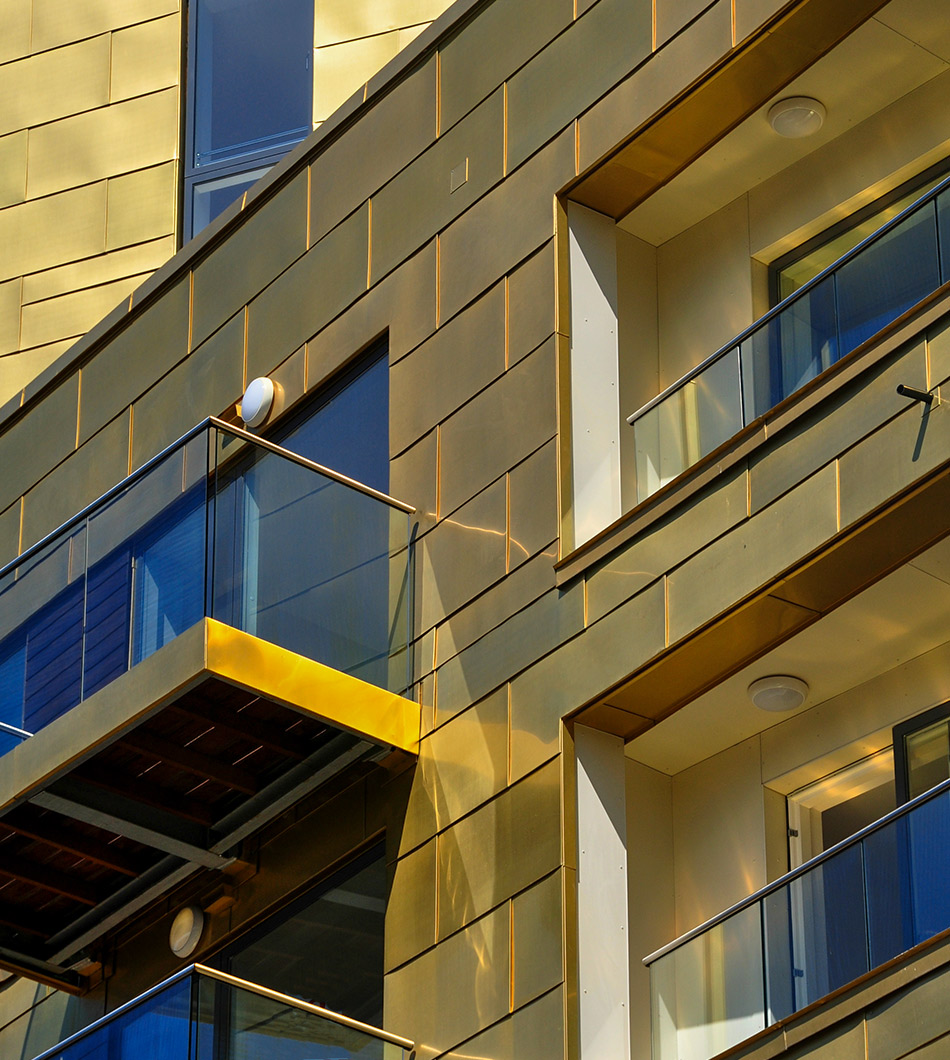
Metal Shingles
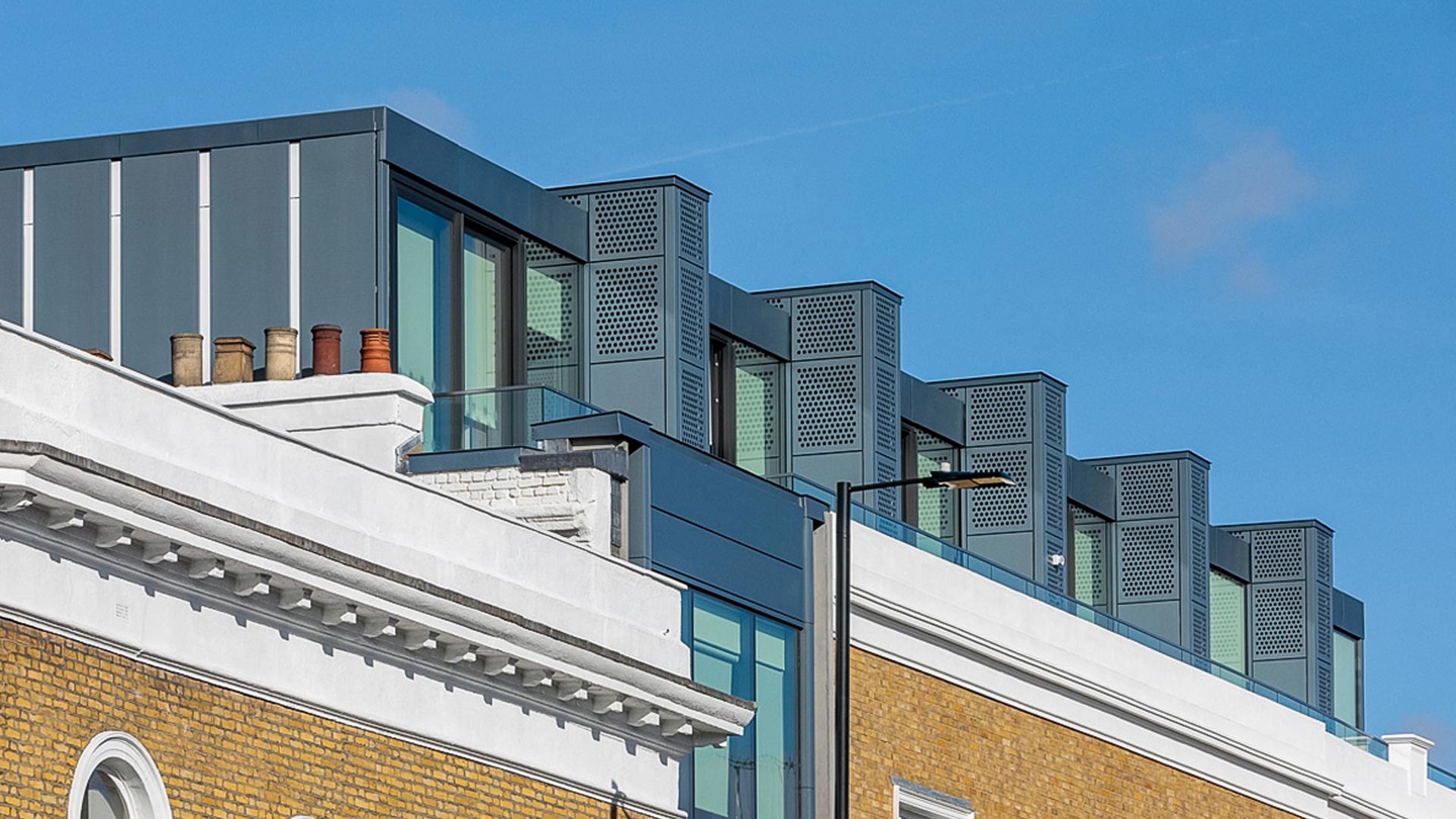
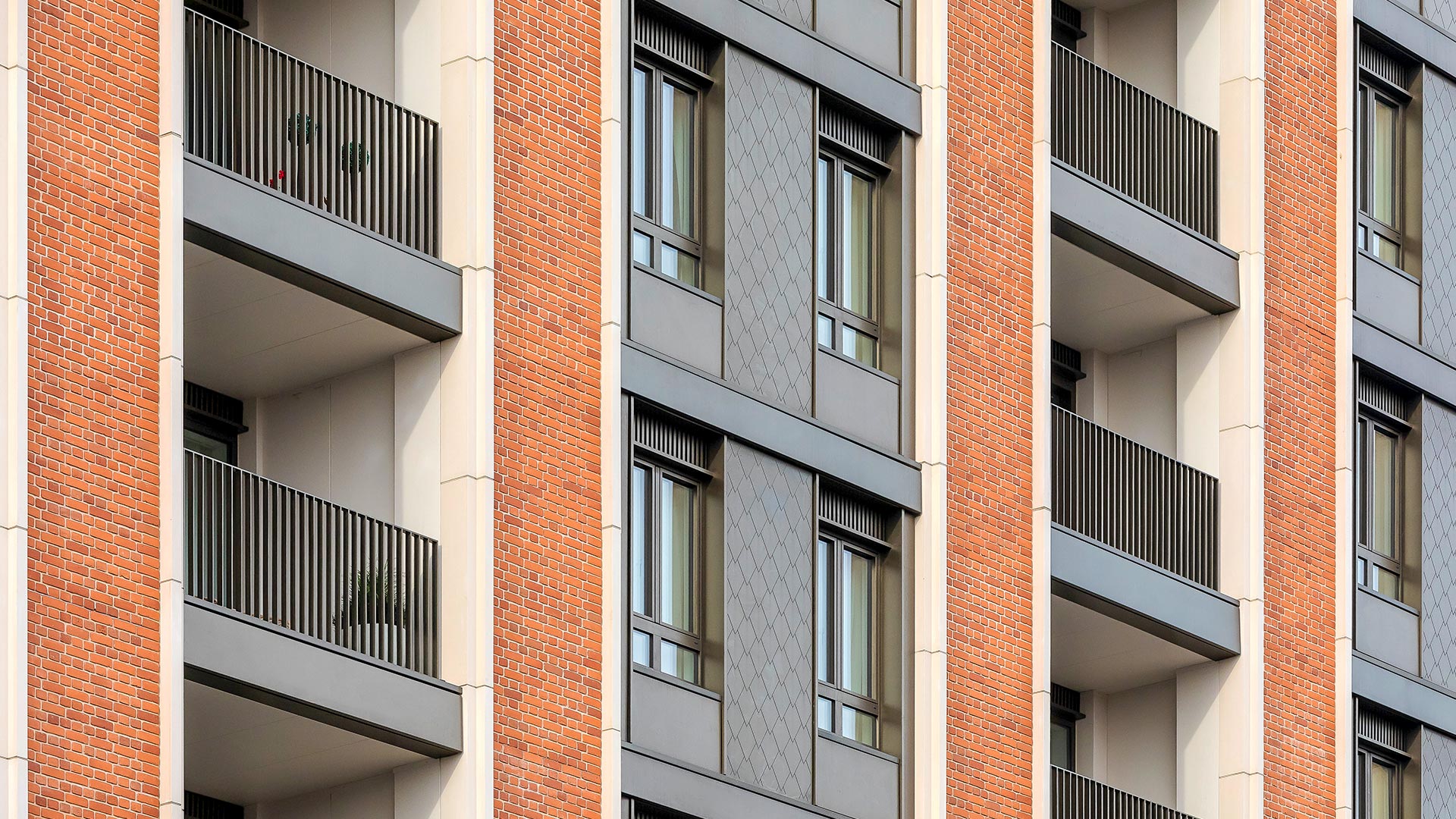
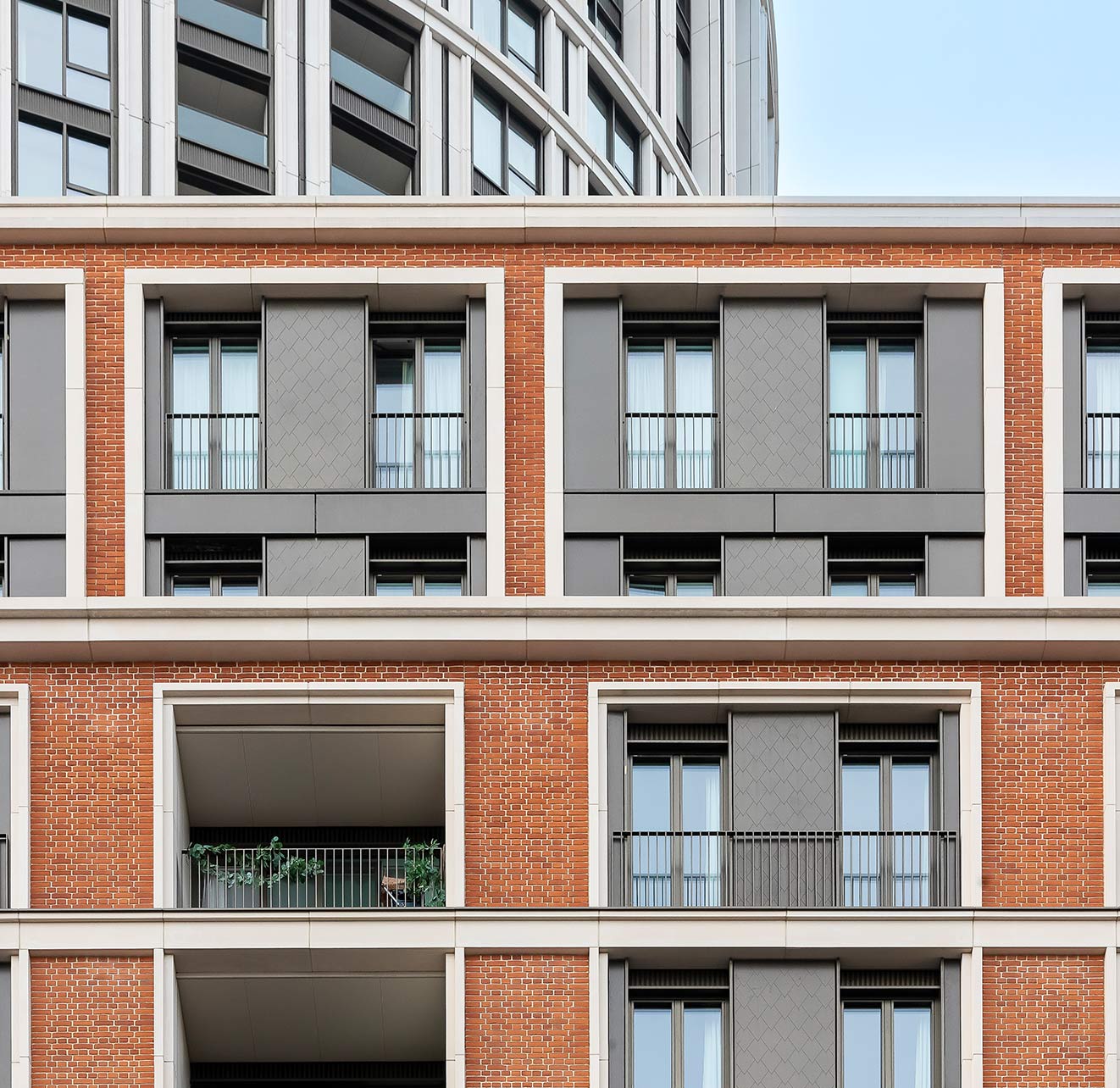
Metal Shingles create a bold, captivating look, whether in classic scale patterns or striking diamond configurations.
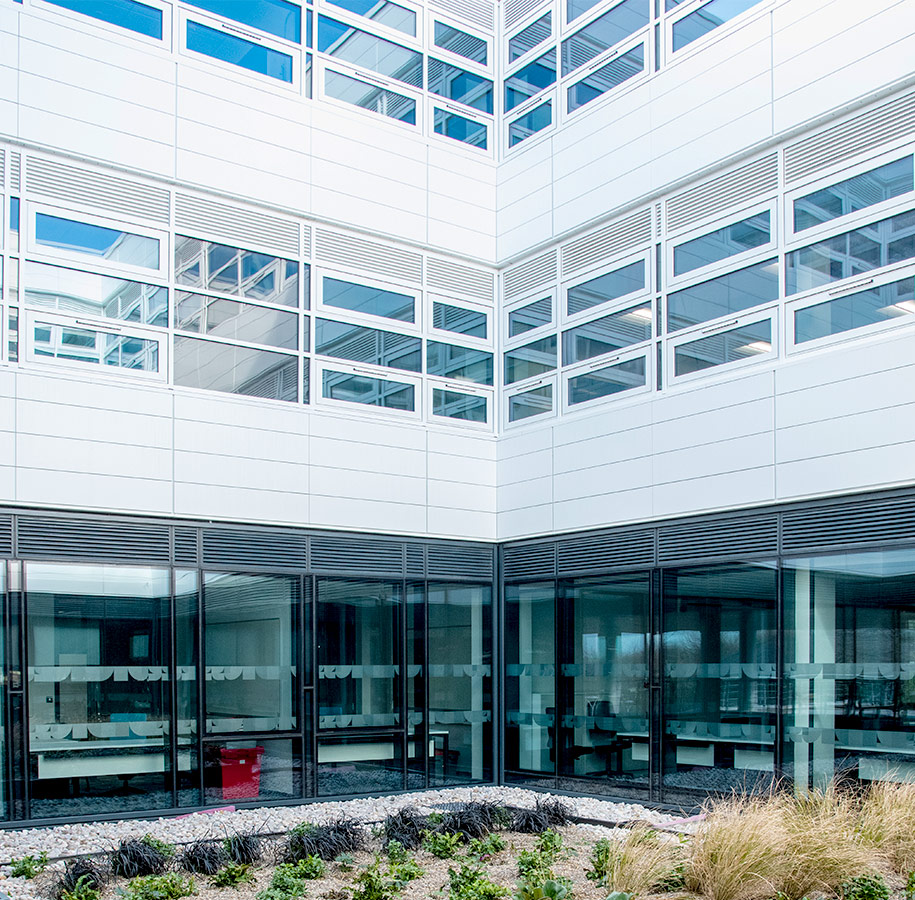
Proteus IP
Proteus IP is a interlocking plank system combining high performance with exceptional design flexibility.
Architectural Profiled Sheets
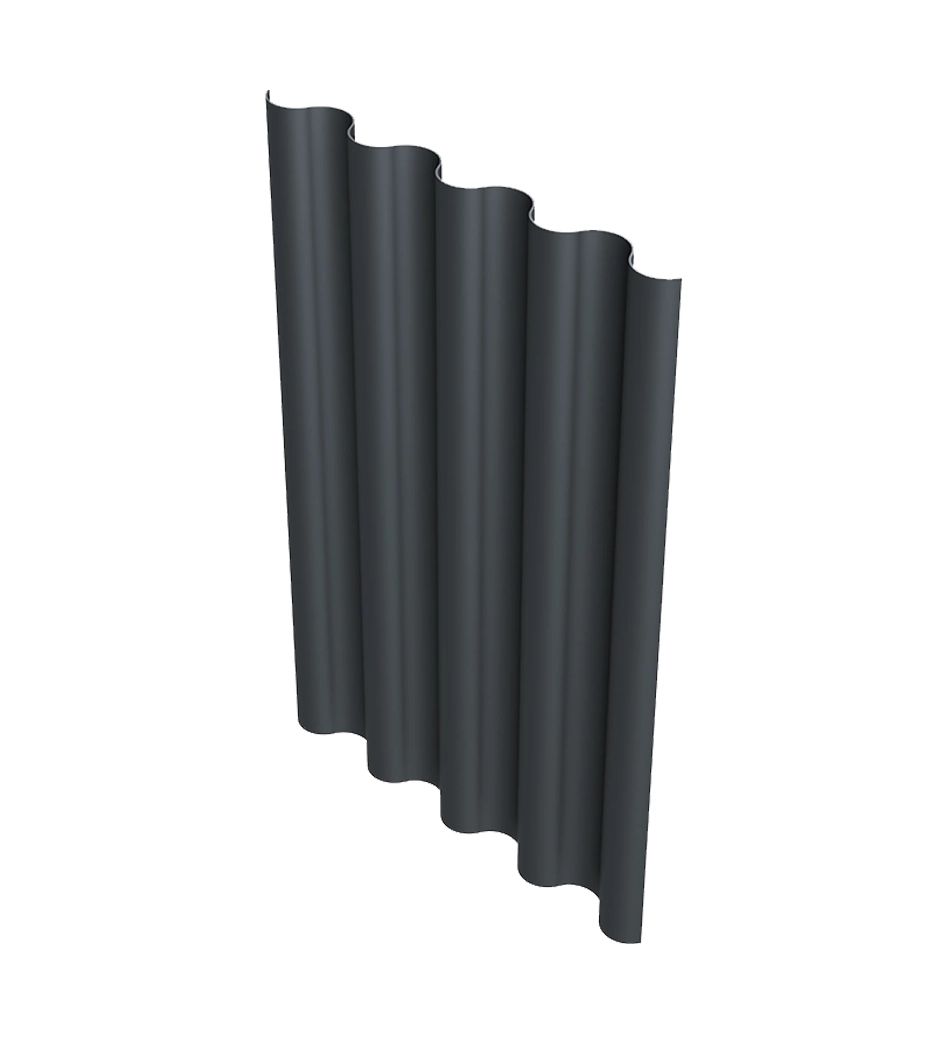
Architectural profiled sheets are façade profiles designed to bring clarity, rhythm and depth to building elevations.
Architectural Fins
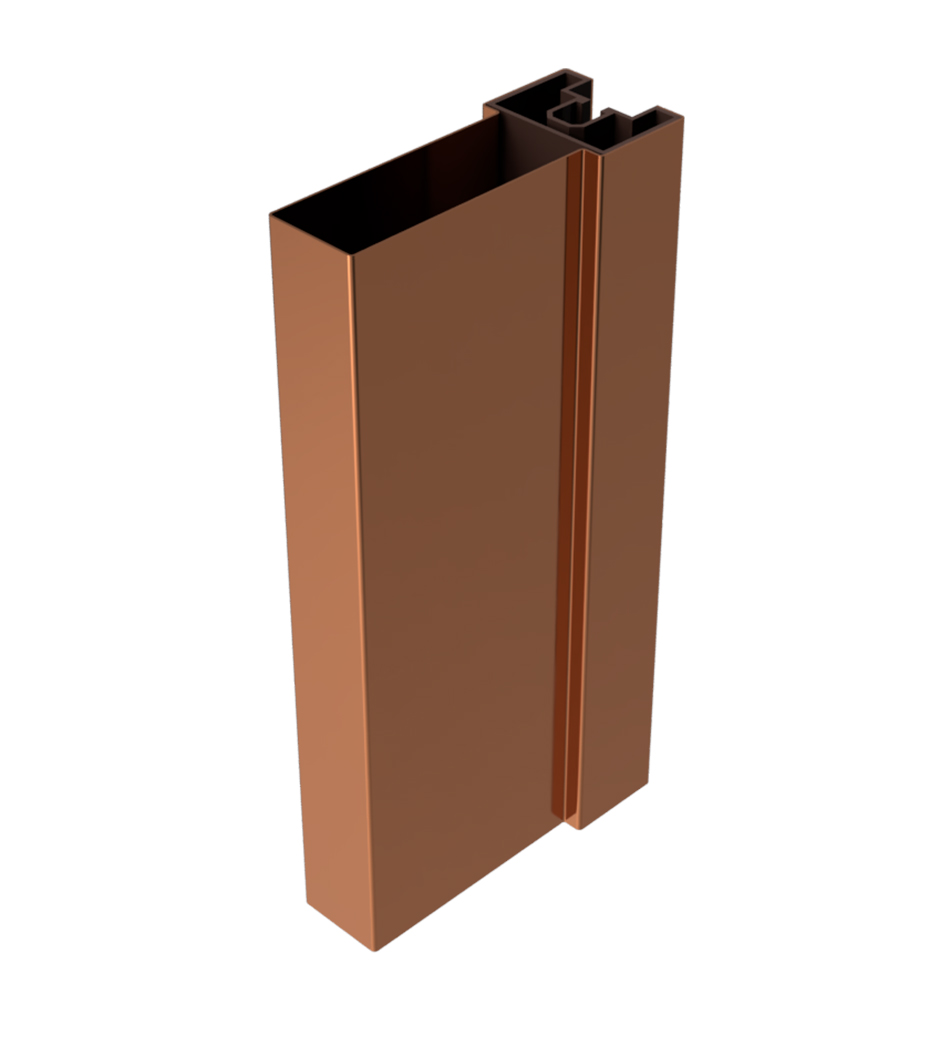
Architectural fins enhance a building’s appearance and performance, offering aesthetic and practical benefits.
Metal Fabrications
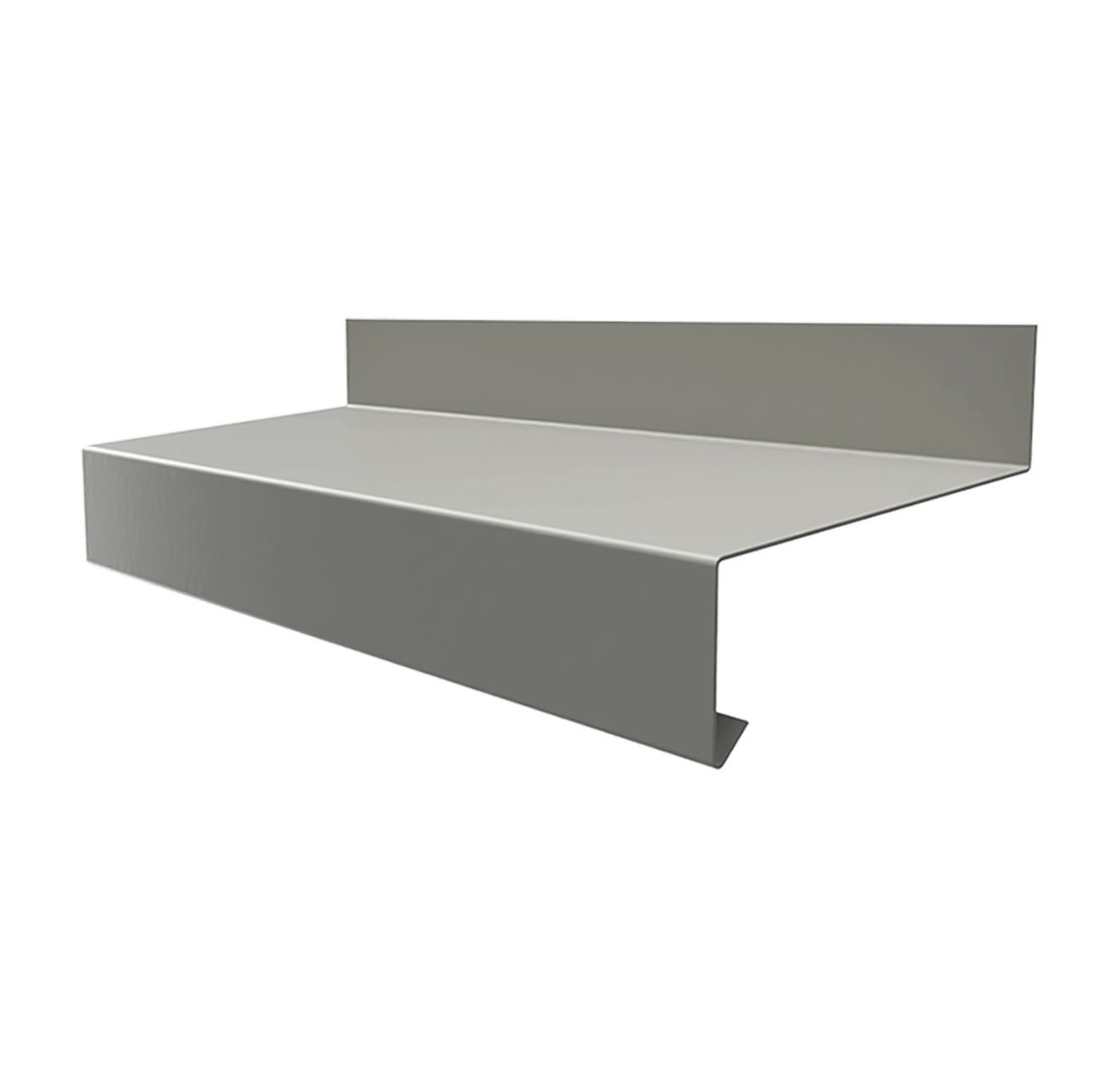
Our fabrications provide precision engineered solutions, custom tailored to meet the unique needs of your project.
H2Pro
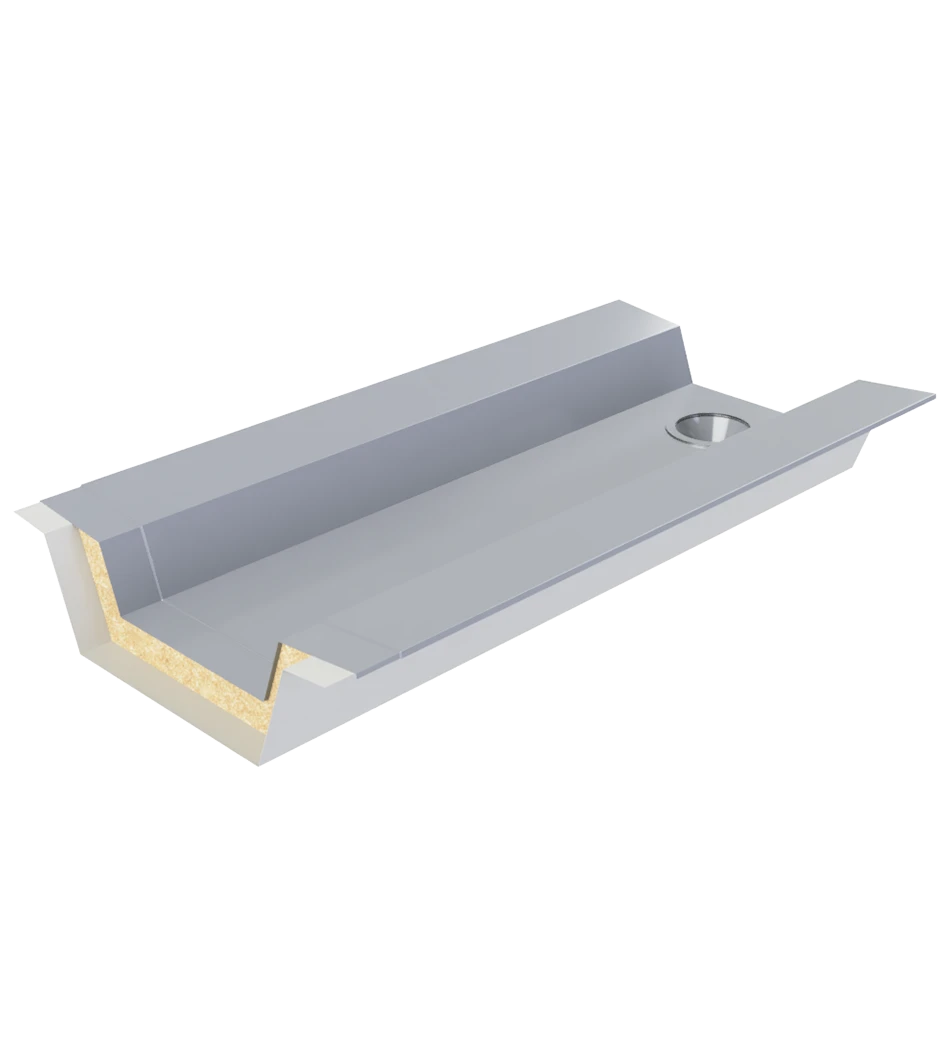
H2Pro insulated gutter systems deliver high performance, durability, and energy efficiency for all building types.

Brick Cladding
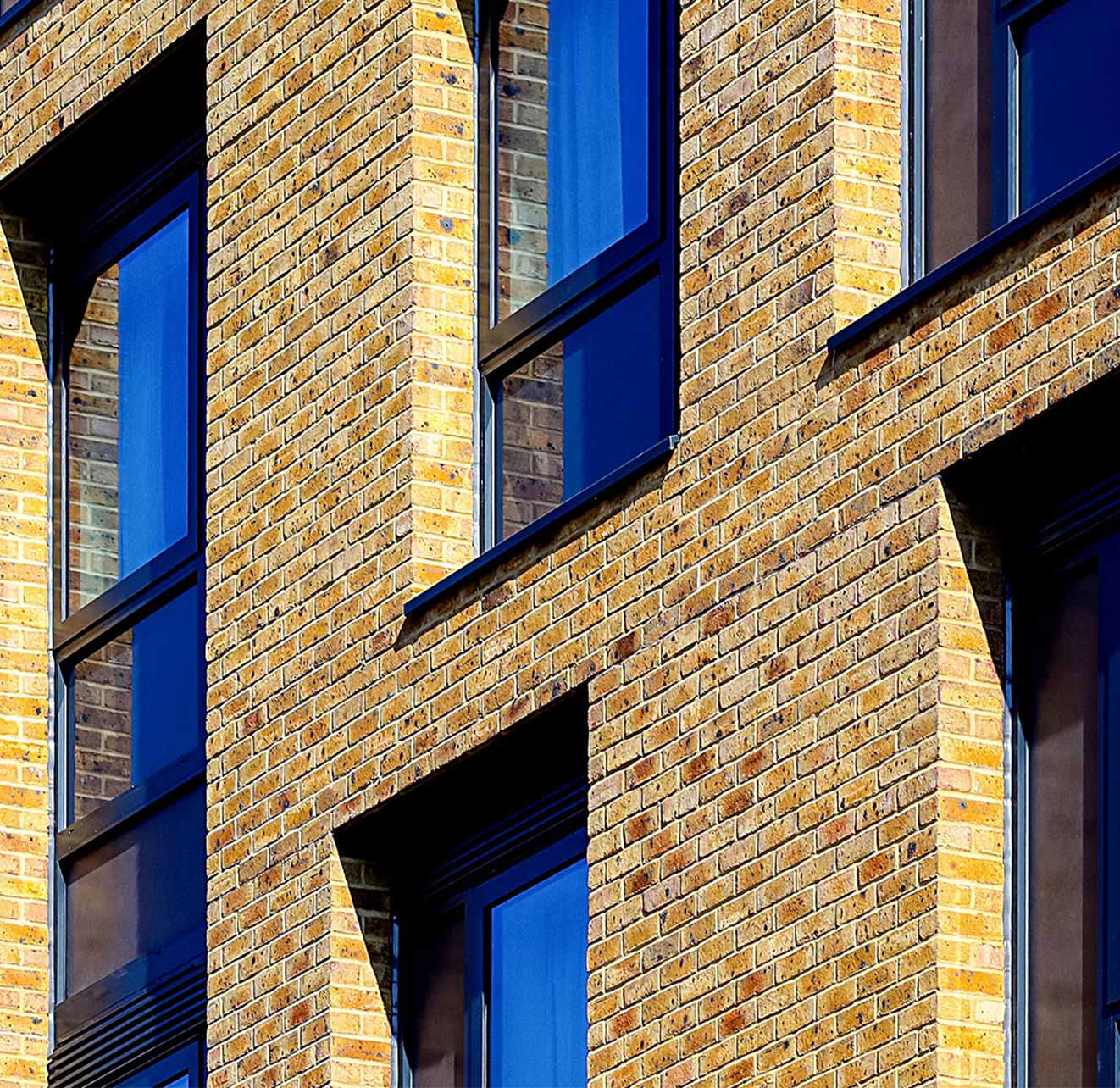
Rustic brick slips to elegant tiles, brick adds timeless charm.

Aluminium Cladding
Aluminium cladding offers durability, versatility, and texture.
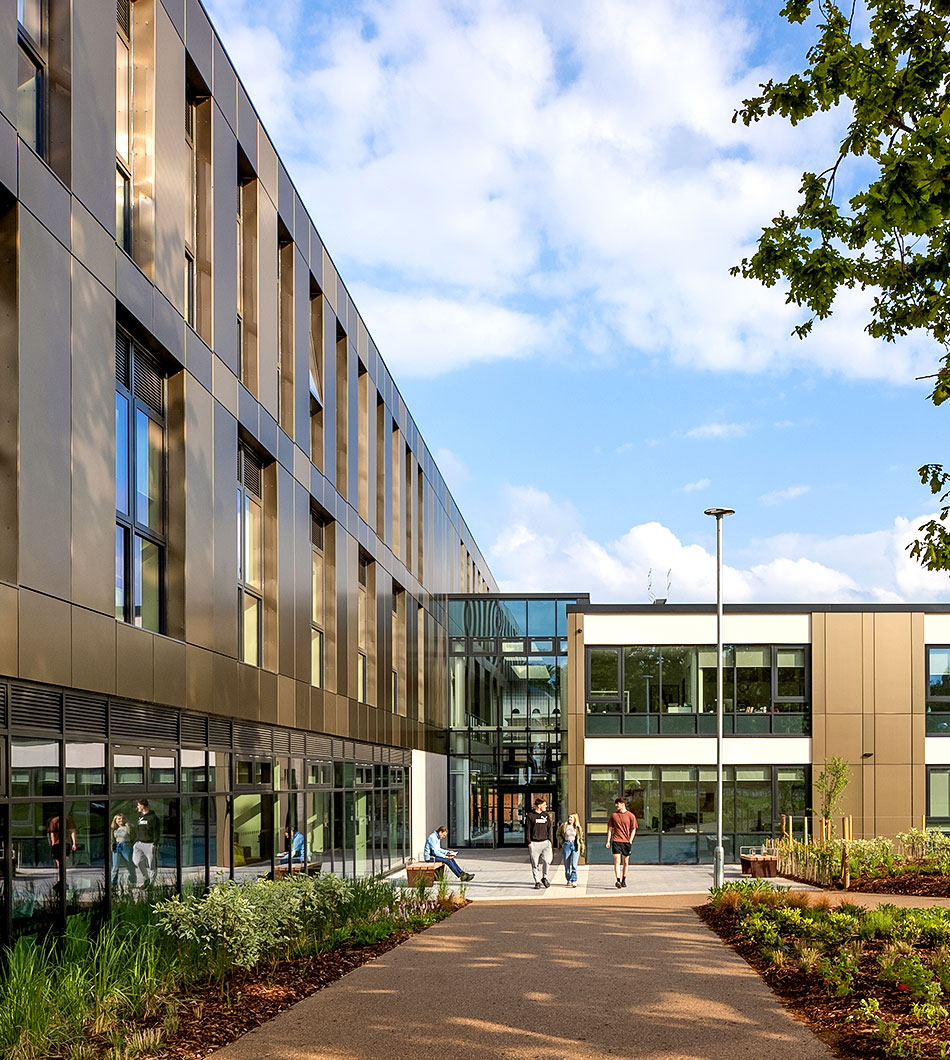
Anodised Aluminium Cladding
Anodised aluminium cladding enhances durability and finish.
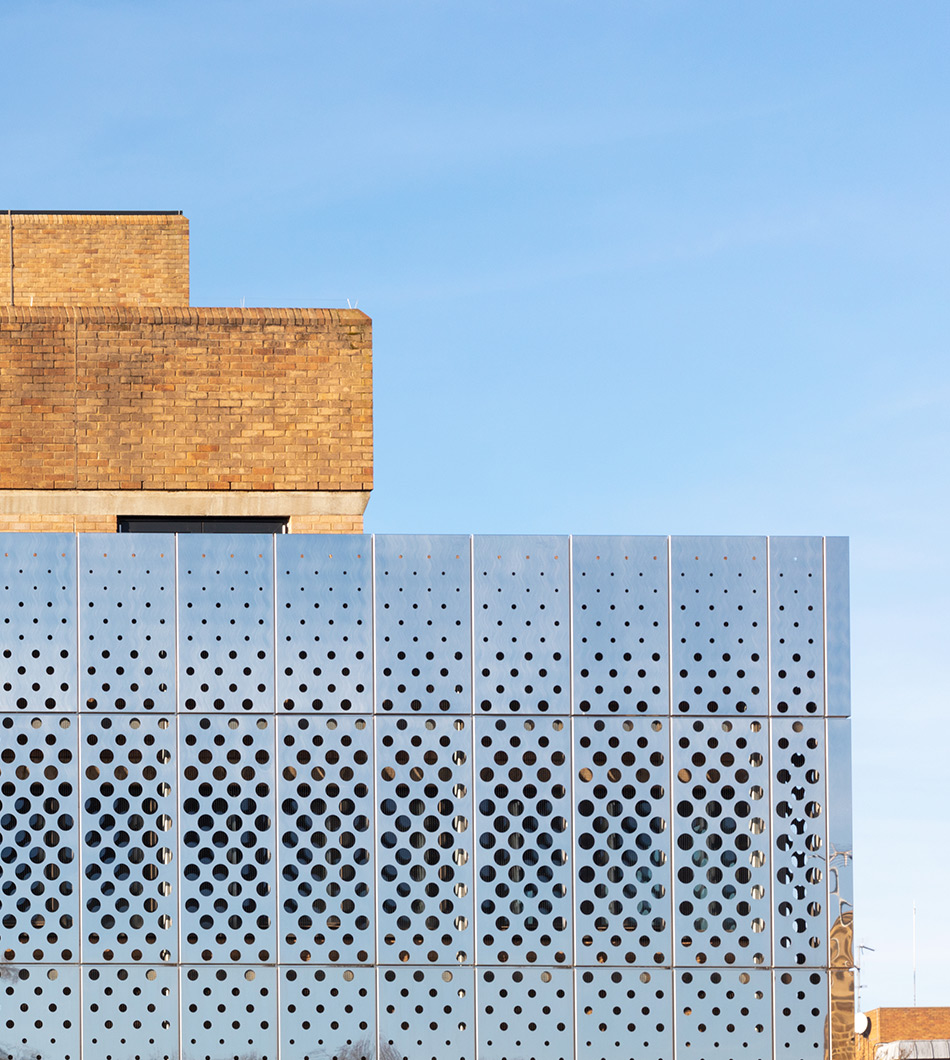
Stainless Steel Cladding
Stainless steel offers strength, corrosion resistance, and style.
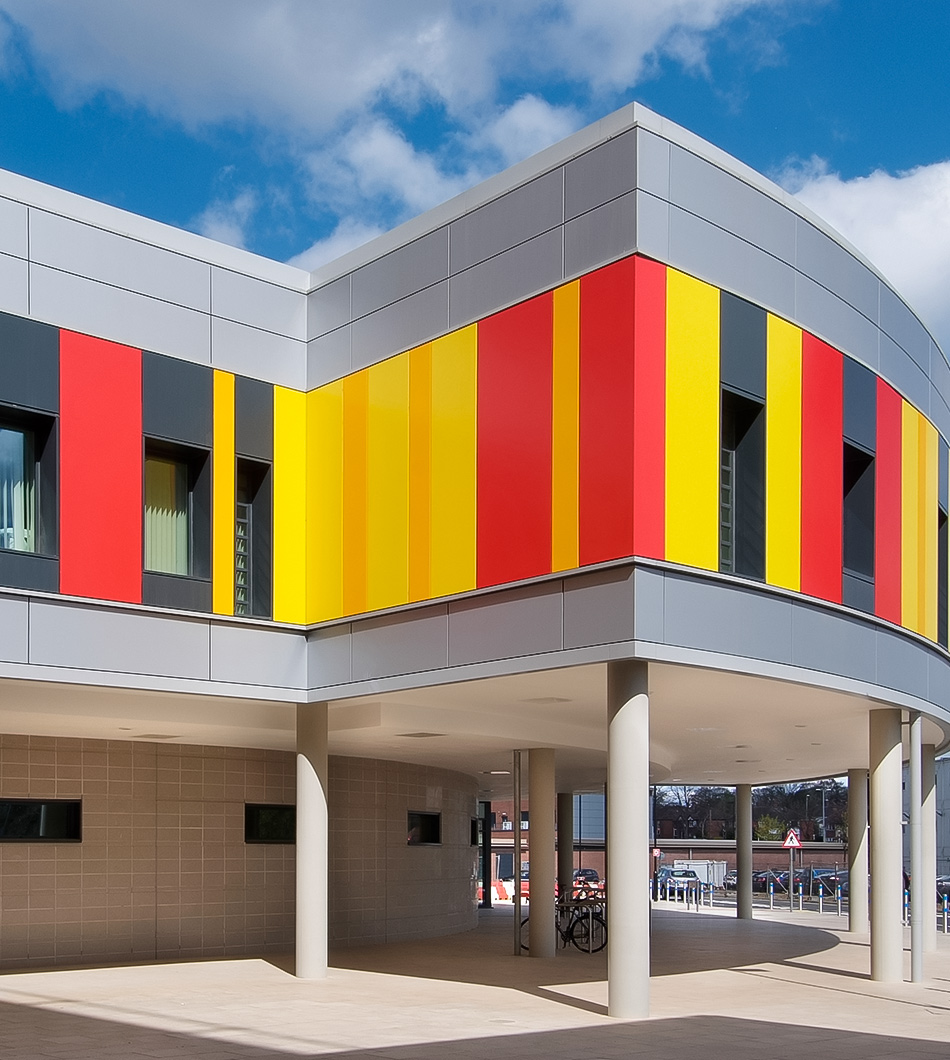
Painted Steel Cladding
Painted steel rainscreen has a contemporary look and durability.


Brass Cladding
Brass offers durable cladding with lasting elegance and style.
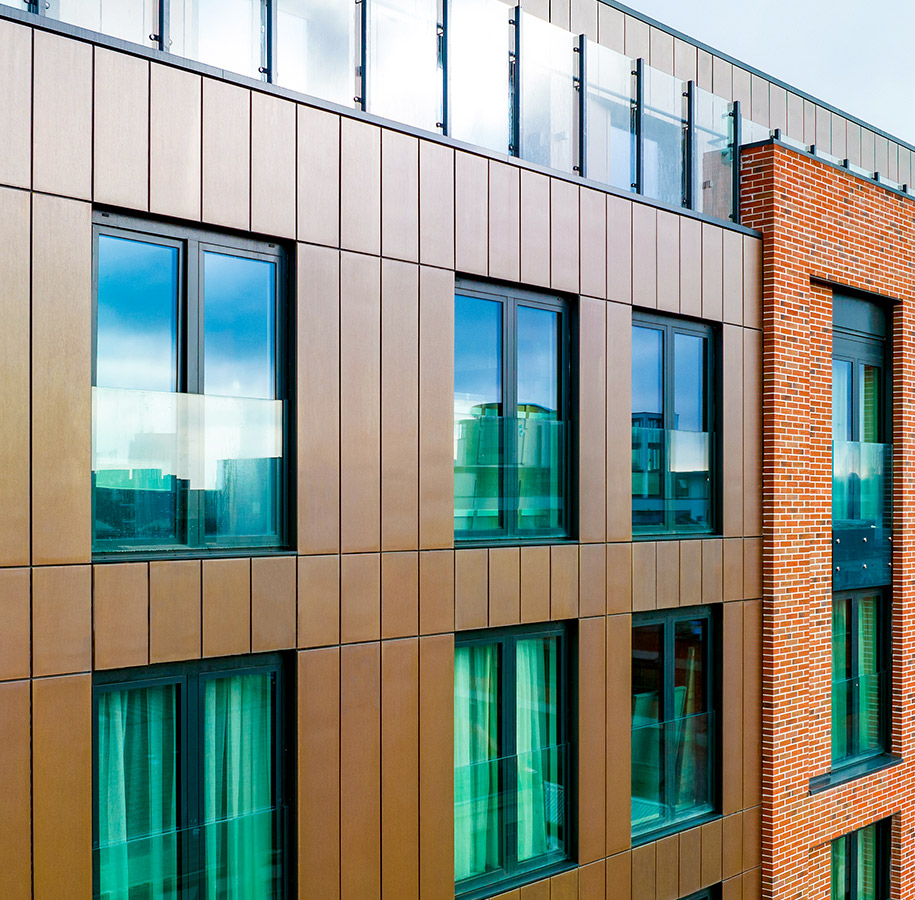
Bronze Cladding
Bronze offers timeless cladding with evolving, natural beauty.

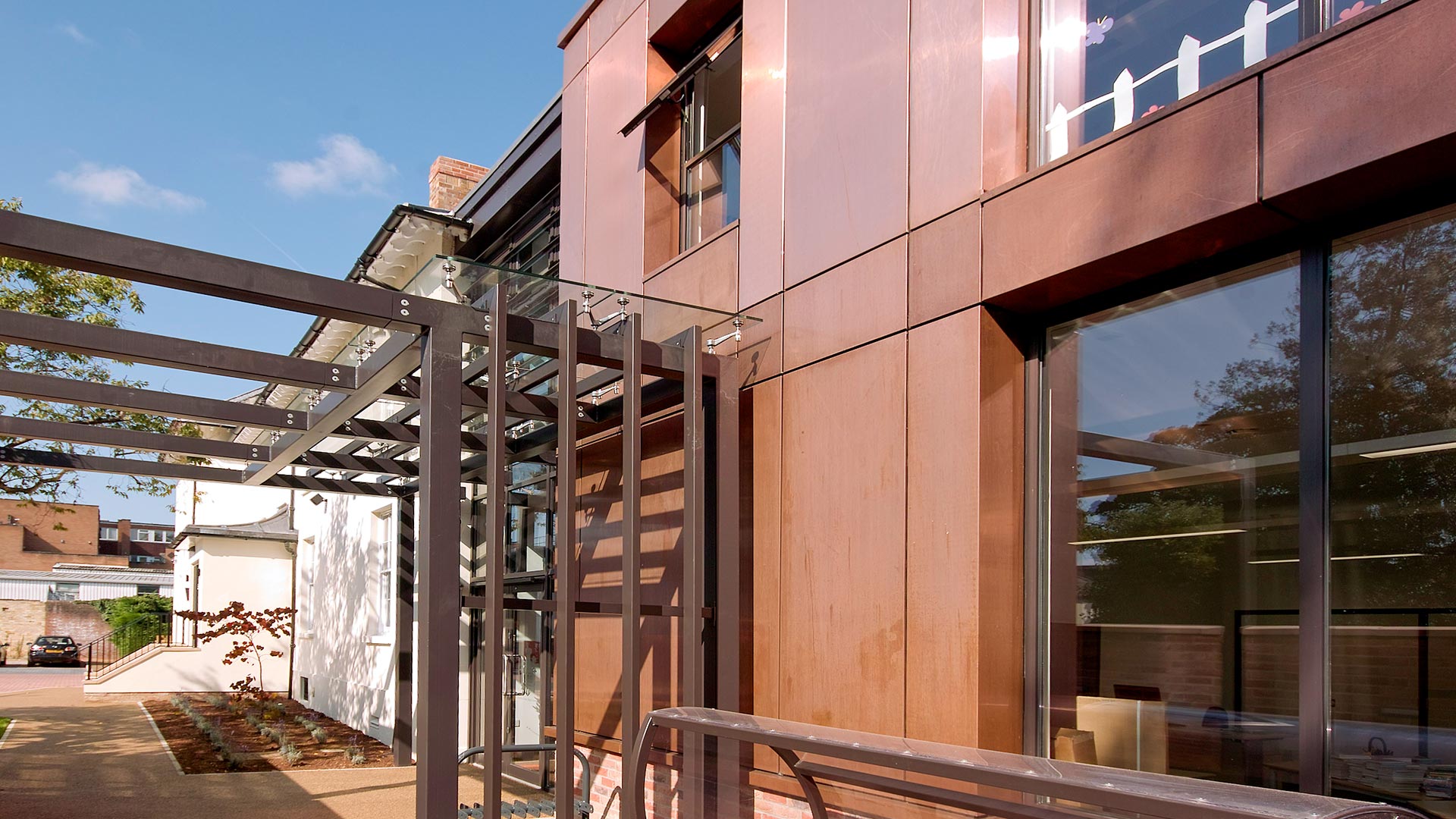
Weathering Steel Cladding
Weathering steel is durable, self-protecting steel with a weathered finish.
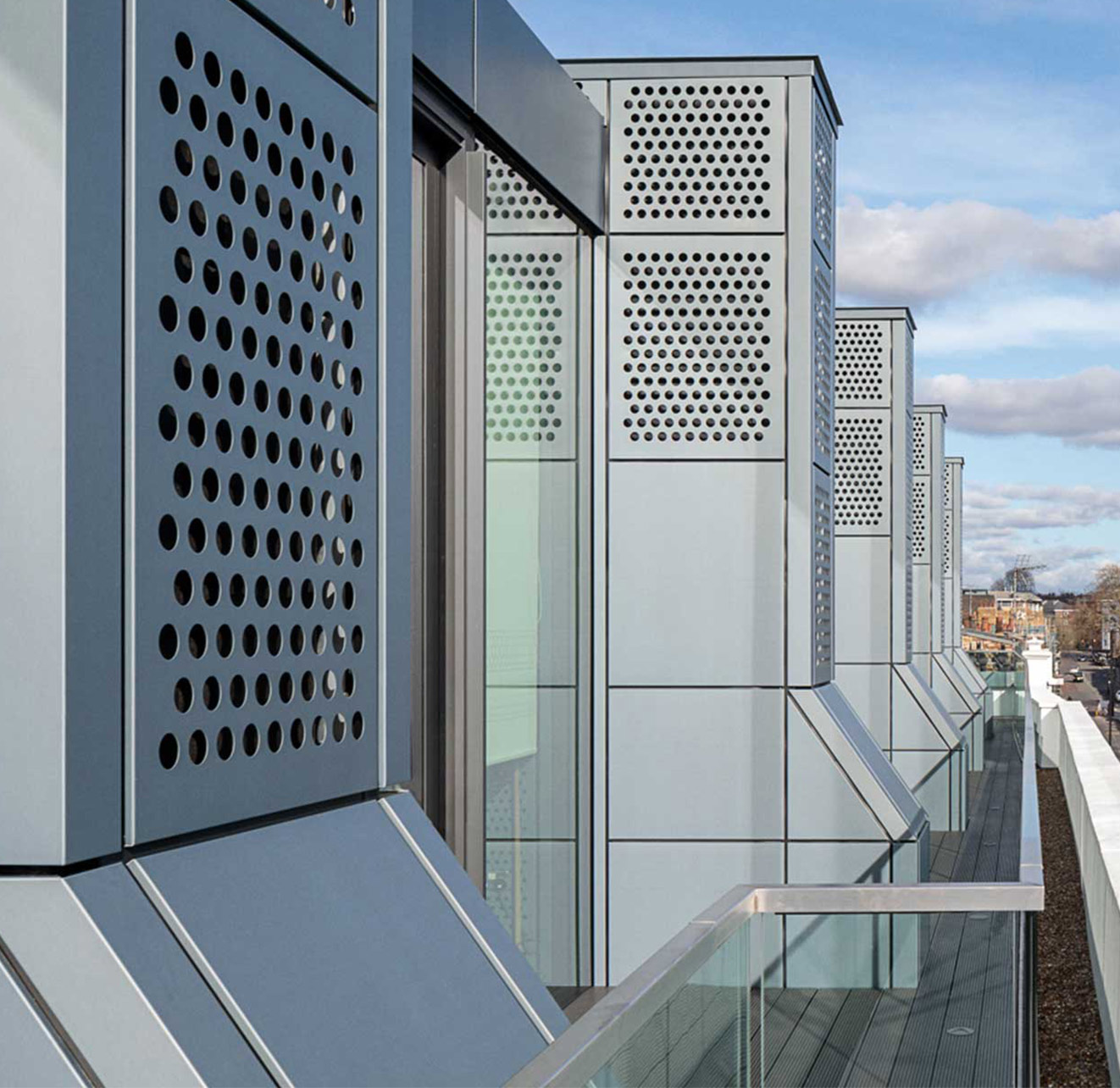
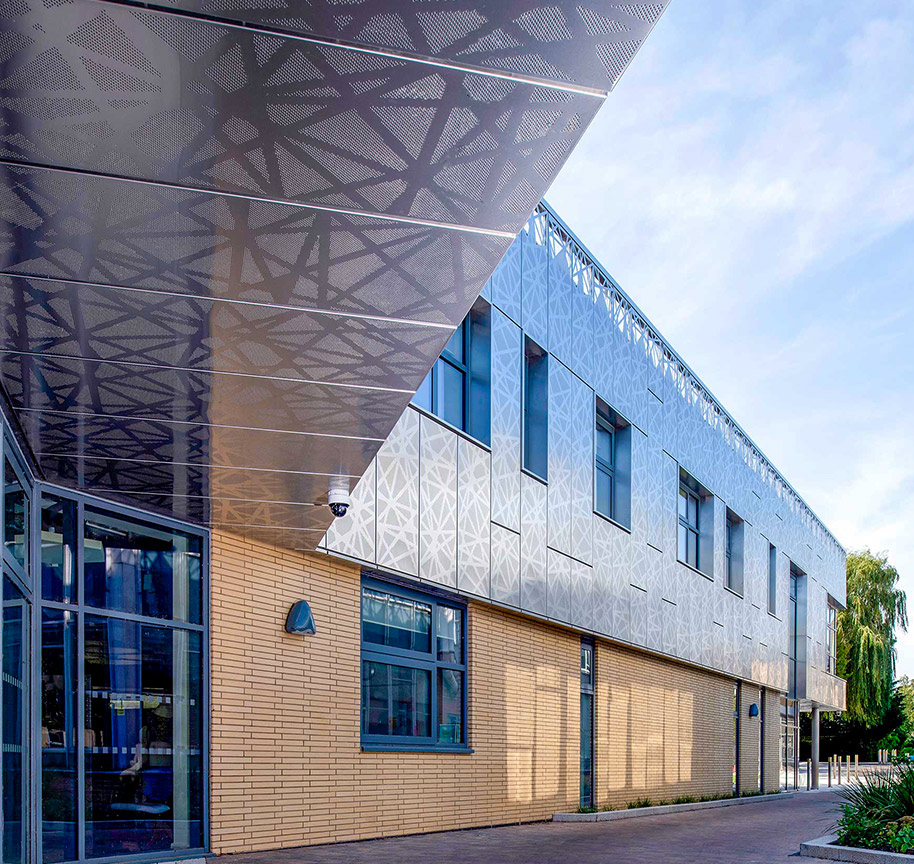
Soffit Cladding
Soffit cladding for seamless integration and durability.

Expanded Metal Mesh
Expanded mesh cladding offers airflow, shading, and style.

Aluminium Spandrel Panel
Aluminium spandrels create a sleek façade with modern appeal.

Steel Spandrel Panel
Steel spandrels deliver a smooth façade with contemporary finish.
Glass Spandrel Panel
Glass spandrels offer a seamless façade with refined style.

Porcelain Ceramic Spandrel Panel
Porcelain ceramic spandrels present a lasting façade with classic beauty.
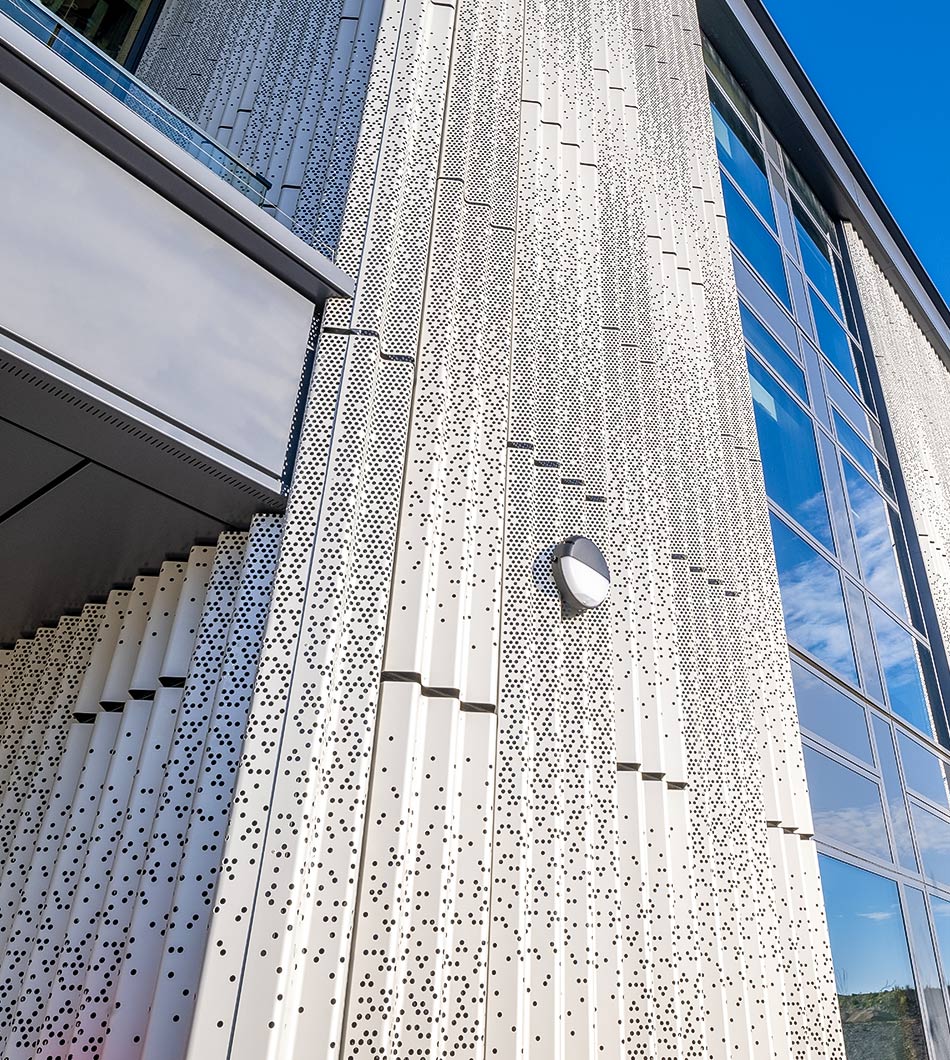
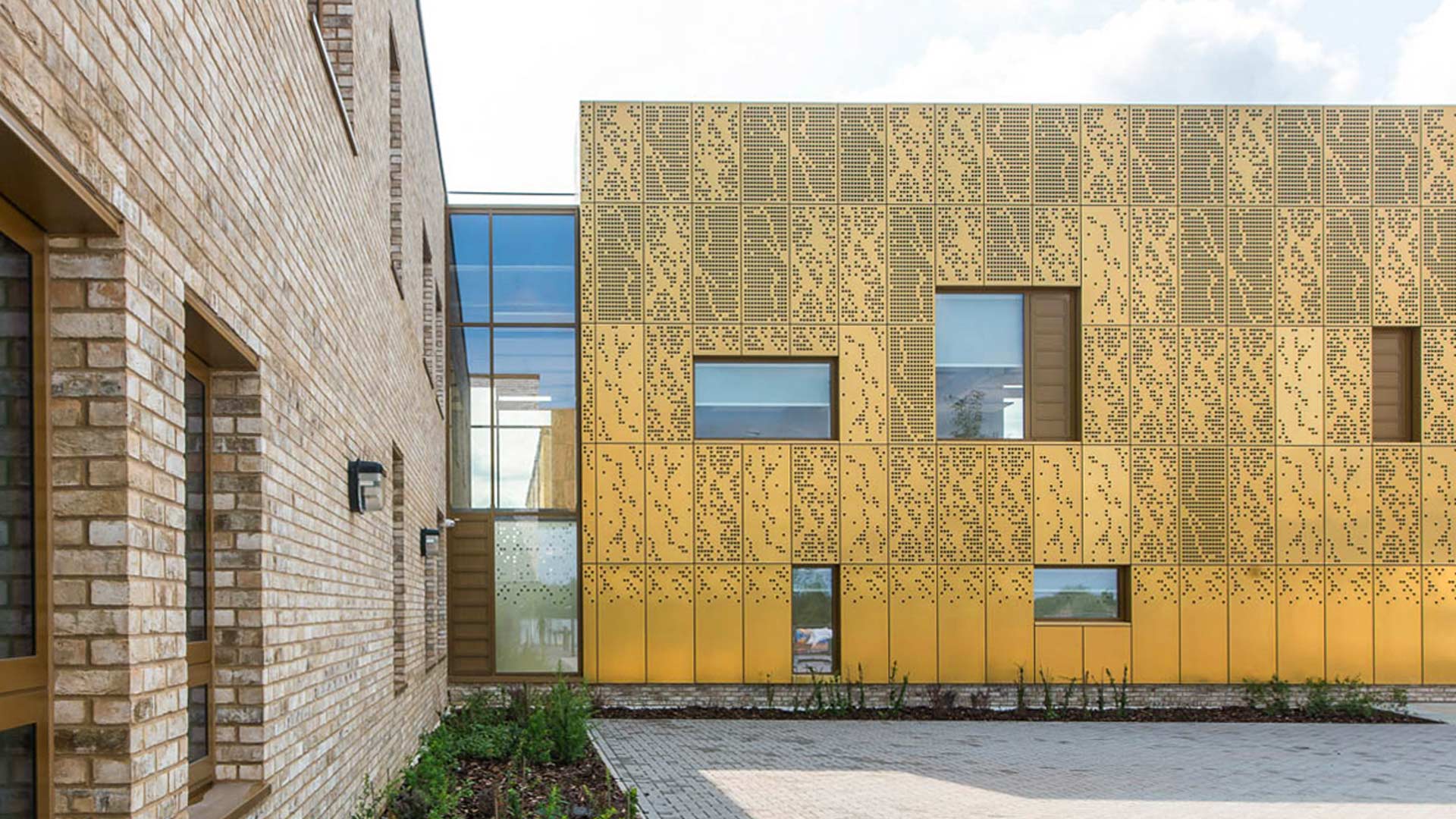
Perforated Cladding
Perforated screens offer ventilation, protection and style.

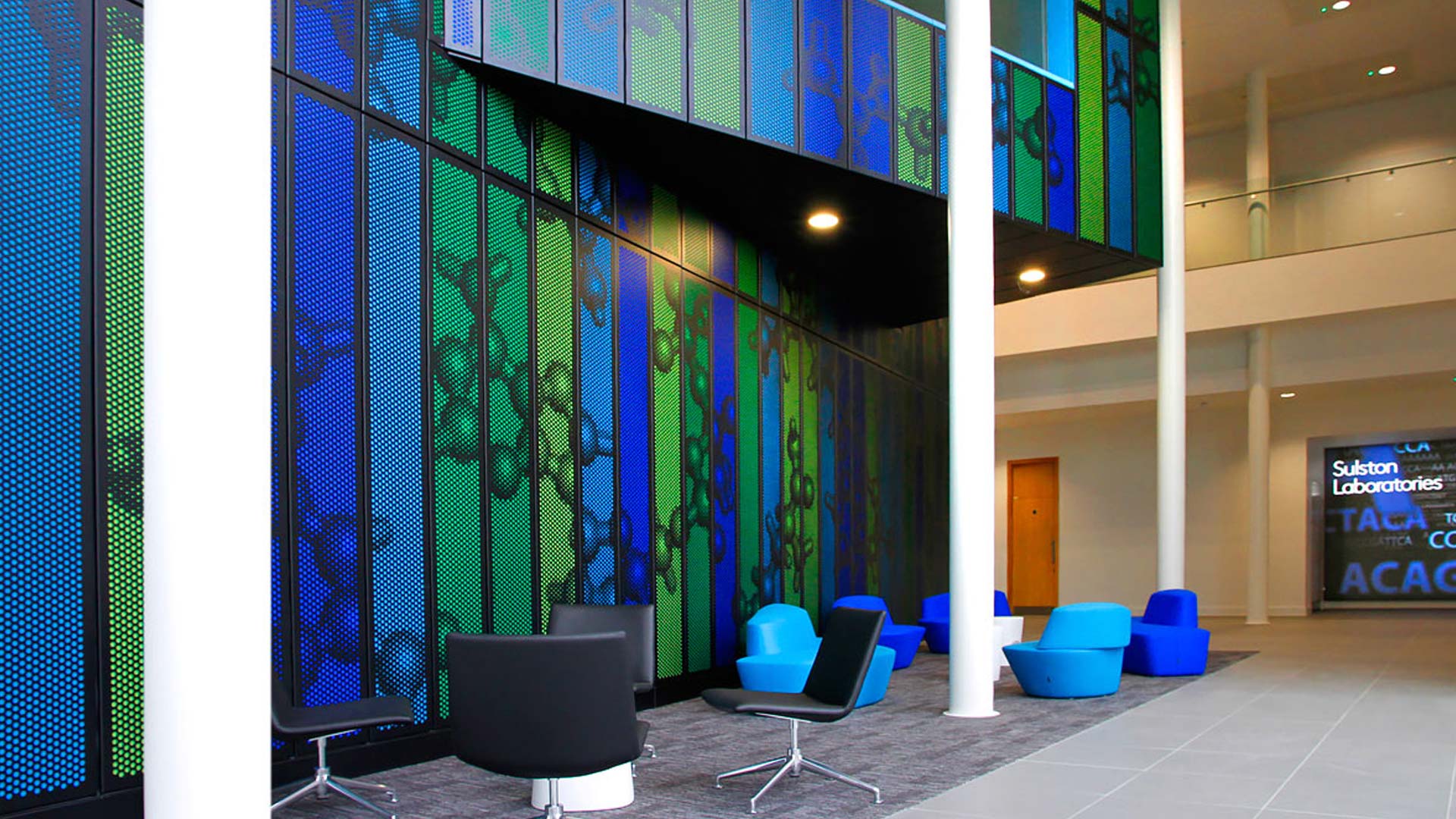
Internal Metal Cladding
Internal metal cladding brings style, depth, and elegance.
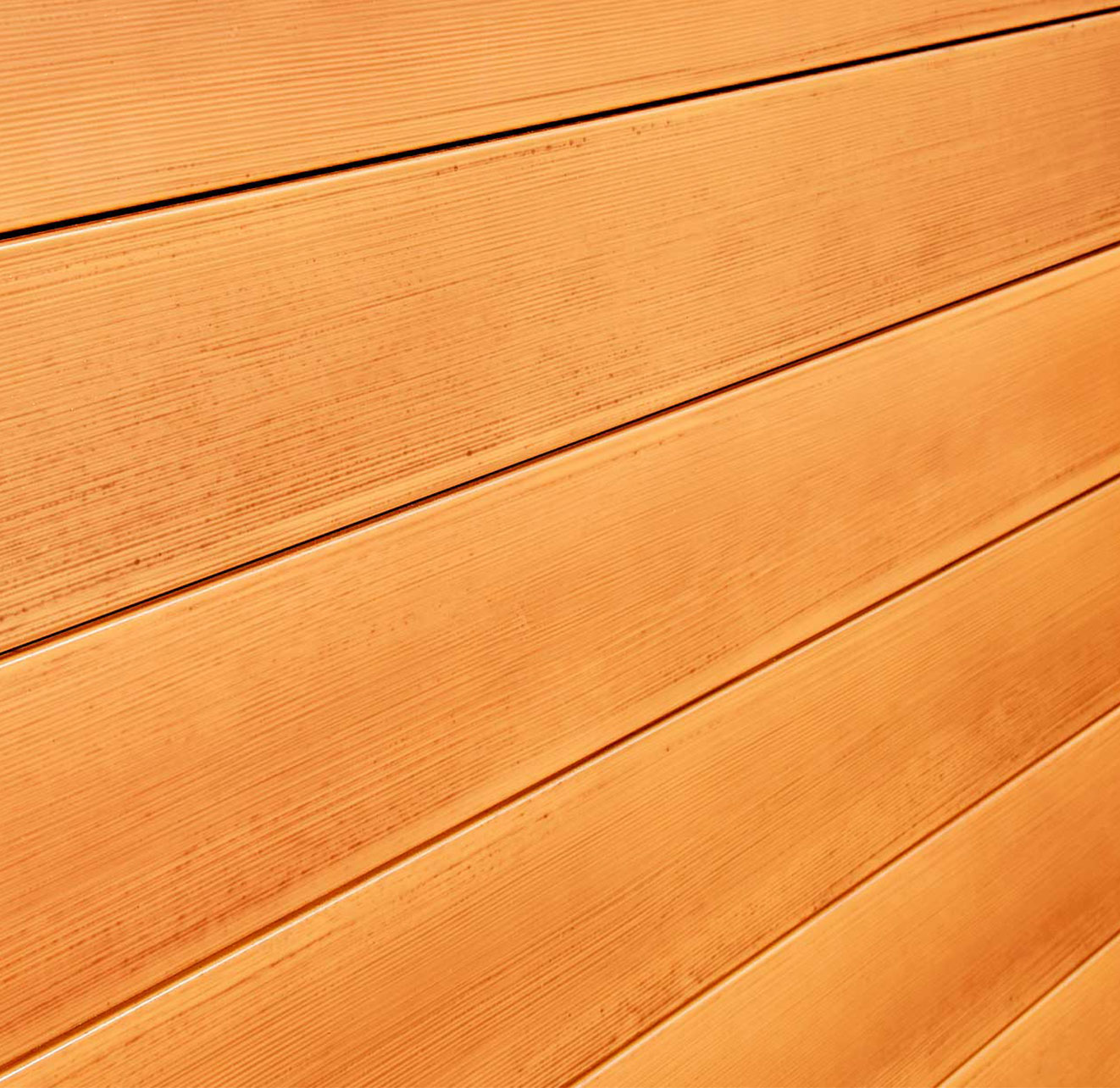
Wood Effect Cladding
Enhance your exterior with stylish wood effect cladding.
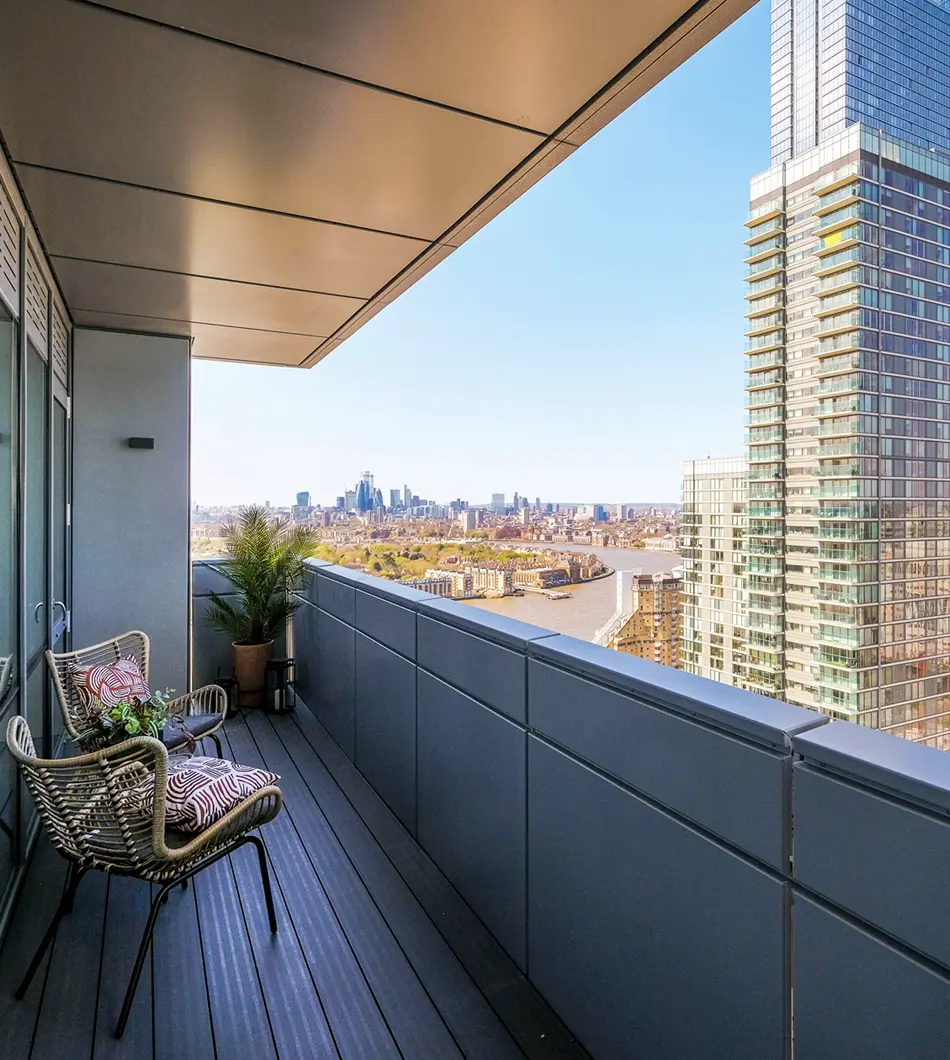
Balcony Cladding